Free Customer Loyalty App for all Businesses
Schedule a free consultation
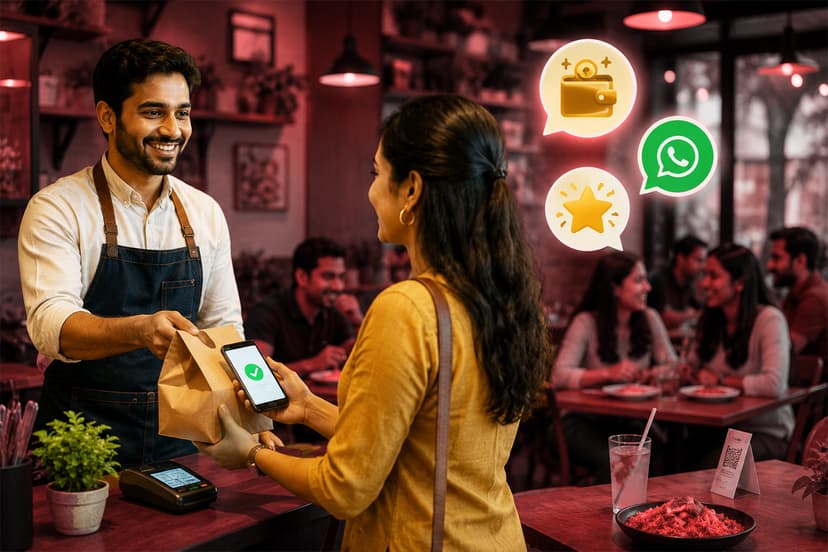
A free customer loyalty app lets all business run rewards, cashback, and repeat customer campaigns without paying for software or hiring a developer to set it up. For grocery stores, clothing shops, and fashion retailers running on thin margins, that matters more than a long feature list it's the difference between actually launching a loyalty program this month and putting it off another quarter because it needs an onboarding call first.
This guide covers what a free customer loyalty app actually includes, why small retailers are moving to one, how it plays out differently for a grocery store versus a clothing store, and how to get one running yourself today, not next week.
What Is a Free Customer Loyalty App?
A free customer loyalty app is software that tracks repeat customers and rewards them points, cashback, or discounts without charging a monthly fee for the core features. It replaces the paper punch card or the "I recognize this customer" mental note a shopkeeper used to rely on, and turns it into something that runs on its own: automatic tracking, automatic rewards, and an actual record of who keeps coming back.
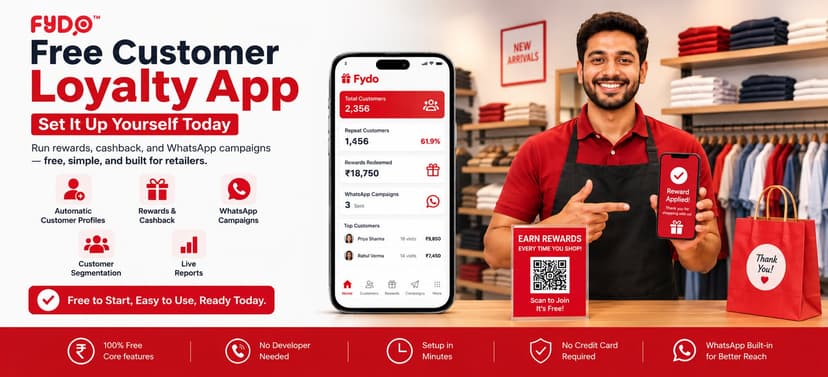
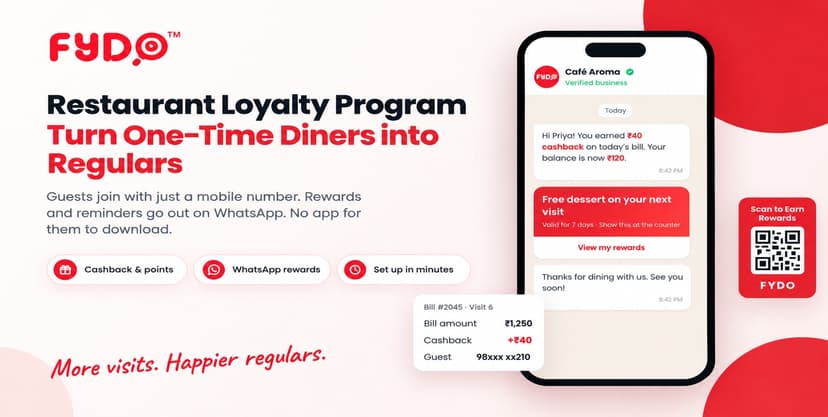
Fydo works this way, Every visit builds a customer profile automatically, so there's no manual data entry to fall behind on. Rewards and cashback apply based on rules you set once no tallying points by hand, no cards that get lost at the counter. It works whether or not you already run a POS system, which matters if you're billing out of a simple app or a notebook rather than a full point of sale setup.
The "free" part usually means the core loyalty loop enrolling customers, tracking visits, applying rewards doesn't require payment. Some providers use "free" loosely for a time limited trial; it's worth checking which one you're actually getting before you build a program around it (more on that below).
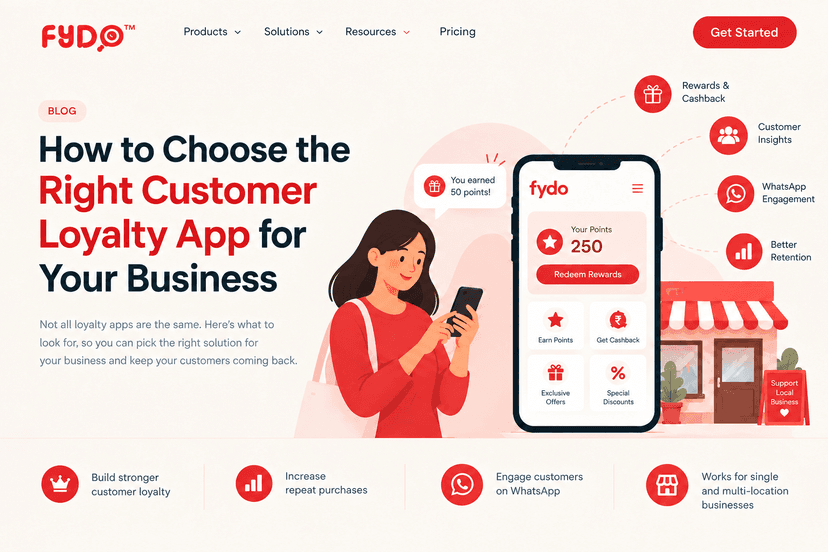
What's Included in a Free Customer Loyalty App Like Fydo?
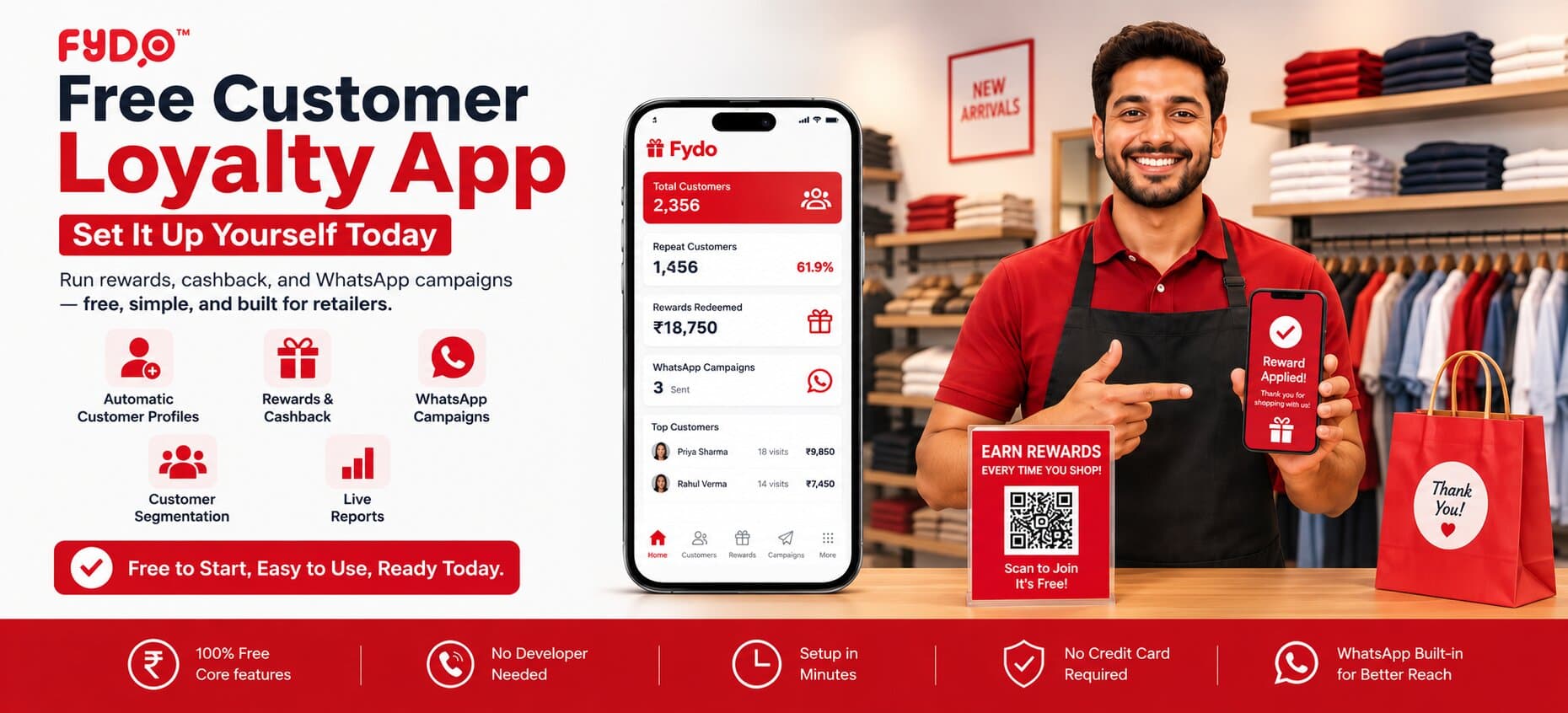
Automatic customer profiles built from every visit, so no one's manually logging who came in and when.
Rewards and cashback rule based, applied automatically at checkout rather than tracked on a card.
WhatsApp campaigns built into the same dashboard that already knows your customer list, so there's no separate tool or exported spreadsheet involved.
Customer segmentation filter by visit frequency or spend to run different offers for different customer types.
Reporting one dashboard showing repeat customers, campaign performance, and rewards activity together, instead of piecing together separate exports.
This is roughly what "free" covers across most self serve loyalty apps, Fydo included tracking and reward mechanics are free, while advanced multi location management or custom integrations are more likely to sit behind a paid tier as a business scales.
Why Are Small Retailers Switching to a Free Customer Loyalty App?
Retaining a customer costs a fraction of what it takes to acquire a new one. Harvard Business Review research, cited widely across retail and marketing studies, puts the gap at roughly 5 times more expensive to acquire a new customer than to retain an existing one. For a small retailer, that's not an abstract stat it's the difference between spending on ads to fill the store once and spending nothing to get the same customer back a second, third, and tenth time.
We've seen the same pattern across grocery stores, clothing shops, and salons: owners don't lack the desire to run a loyalty program, they lack the time to keep one running. A spreadsheet works fine for a week. A punch card gets left behind the counter or thrown out with the receipt roll. A WhatsApp broadcast list grows disconnected from what customers are actually buying, so the offers stop feeling relevant.
The businesses switching to an app aren't chasing a trend. They're tired of rebuilding the same tracking system by hand every few months, and tired of losing track of which customers are actually loyal versus which ones showed up once. An app that updates itself removes that maintenance cost entirely which matters more to a two person shop than any individual feature does.
How Does a Free Customer Loyalty App Work for Grocery Stores and Clothing Retailers?
The mechanics stay the same across business types track a visit, apply a reward, message the customer but what counts as a meaningful reward, and how often you're reaching out, looks different depending on what you sell.
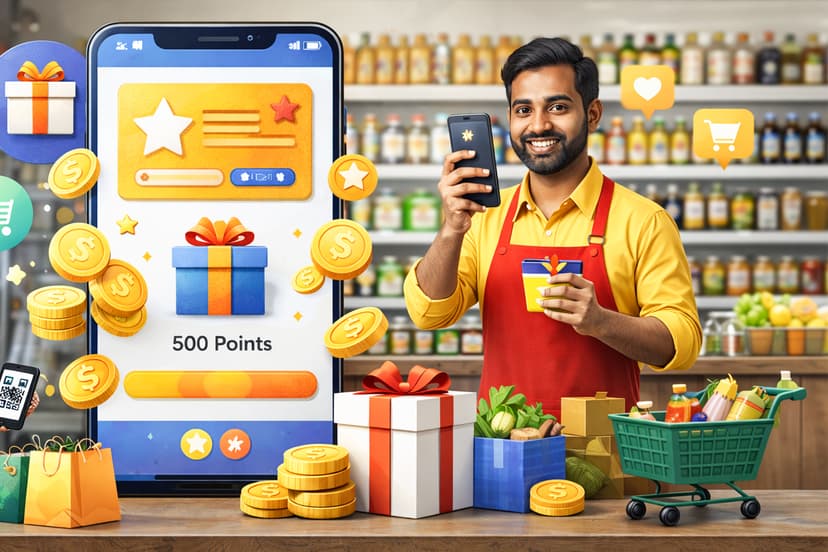
A free customer loyalty app for grocery stores needs to handle high frequency, lower margin behavior. Customers shop weekly, sometimes more, so rewards typically center on small, fast cashback or points per visit rather than big one time discounts. WhatsApp reminders work particularly well here, since grocery shopping is habitual a nudge on the day someone usually restocks tends to land better than a generic monthly offer.
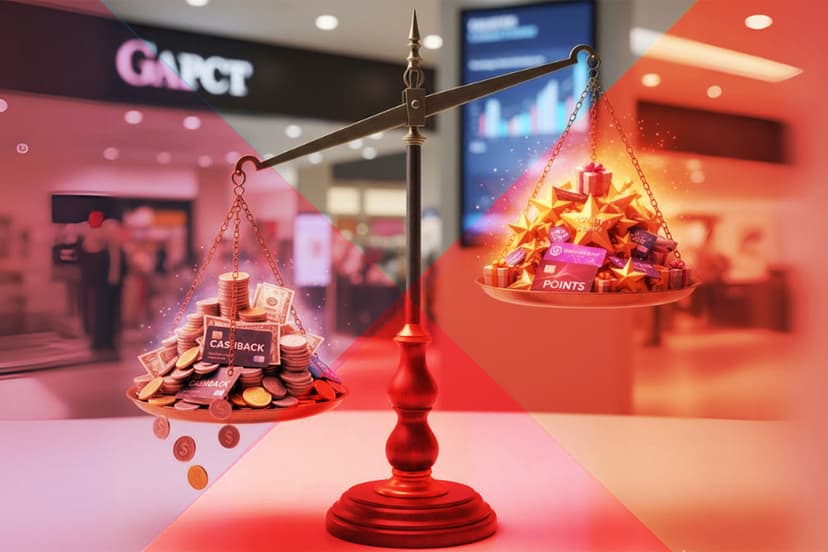
A loyalty app for clothing stores deals with the opposite pattern: fewer visits, but each one worth more. The stronger lever is seasonal and collection based notifying loyal customers first when new stock lands, or tiered rewards that unlock at higher spend thresholds rather than higher visit counts.
A customer loyalty app for fashion retailers more broadly follows this same spend tiered logic, since fashion purchases cluster around events, seasons, and restocks rather than a predictable weekly habit.
This is where segmentation earns its keep. Fydo lets you filter customers by visit frequency or total spend, so a grocery store and a clothing store on the same platform can run genuinely different reward logic instead of being forced into one generic template built for neither.
Can You Set Up a Customer Loyalty App Without a Developer?
Yes, for most small and mid sized retailers, a free customer loyalty app is built to be set up by the shop owner directly, without a developer, consultant, or a lengthy onboarding call.
That's a real point of difference from how some competitors operate. Reelo, for example, states on its own site that its team handles the setup process including POS integration and initial campaign configuration with most businesses live within 24 to 48 hours. Joy, a well reviewed loyalty app, describes something similar from the other direction: its own site talks about reviewing "the full setup in staging" together before going live, plus hands on support after launch. Neither is bad service it just means the program launches on someone else's schedule, not yours. Worth noting too: Joy is built specifically for Shopify stores, so it's a solid option if you're running an online shop, but it isn't built for the in person, walk in retail this guide is about.
A self serve app flips that order: download it, create your first reward rule, and start enrolling customers the same day, without waiting on anyone's calendar.
Worth being honest about the trade off, though: self serve setup is faster and keeps you off someone else's schedule, but if your loyalty logic is genuinely complex multi tier rewards across dozens of locations, custom POS integrations, franchise level reporting you'll likely still get more value from a platform that offers hands on onboarding. For a single shop or a small multi location chain running points, cashback, or visit based rewards, that extra layer usually isn't necessary.
What Should You Look for Before You Pick a Free Customer Loyalty App?
A few things worth checking before committing to one:
Does it work without a POS? Some platforms assume POS integration is already in place; not every shop has one, and switching POS just to run a loyalty program is a lot to ask.
Can you message customers directly
WhatsApp reach tends to matter more than email for most Indian retail customers check whether campaigns are built in or require a separate tool.
What does "free" actually cover? It should mean core tracking and rewards stay free, not a trial clock quietly running down to a paywall.
Can you segment customers by behavior? Grocery and clothing businesses need different reward logic, as covered above the app should support that from one dashboard rather than forcing every business into the same template.
How long does setup genuinely take If the honest answer involves booking a call and waiting a day or two, that's worth knowing before you count on launching today.
Frequently Asked Questions
Is a free customer loyalty app actually free, or is it a trial?
It depends on the provider. Fydo's core loyalty tracking, rewards, and WhatsApp campaigns are free to use, with no trial clock running out. Some competitors offer a free trial that converts to a paid plan after a set period, so it's worth confirming which model you're getting before building a program around it.
Can I use a free customer loyalty app without a POS system?
Yes, with the right app. Fydo works whether you already run a POS system or none at all, and it doesn't require replacing your current billing setup or adding new hardware just to get your loyalty program started.
How is a loyalty app different for a grocery store versus a clothing store?
The core mechanics are the same, but the reward logic differs. Grocery stores typically reward frequent, smaller visits, while clothing and fashion retailers tend to reward spend tiers and offer early access to new collections, since purchases happen less often but at higher value.
Do I need technical skills to set up a customer loyalty app myself?
No. Self serve apps like Fydo are built for shop owners to set up directly, create a reward rule, add your branding, and start enrolling customers, without writing code or waiting on a developer to configure anything.
How quickly can I start running a loyalty program?
With a self serve app, the same day. Download it, set your first reward rule, and start enrolling customers at checkout, A meaningful difference from platforms that route setup through their own team first, which can take a day or two even when the service itself is good.
If you're running a grocery store, clothing shop, or any retail business trying to bring customers back more often, "Download the Free Fydo Customer Loyalty App" and set up your first reward rule today & no developer, no sales call, no waiting.
Author: Satyajeet Patnayak
Time: 2:30 pm IST
Date: 13 September 2026