
Schedule a free consultation
Loyalty Programs for Restaurants and Local Food Businesses in India: What Actually Works
Let's be honest for a second.
You probably didn't open a restaurant to obsess over spreadsheets and marketing funnels. You opened it because you love food, you love people, and there's something deeply satisfying about watching someone enjoy a meal you made.
But here's the uncomfortable truth that every restaurant owner in India eventually runs into getting people through the door once is easy. Getting them to come back is the hard part.
Zomato and Swiggy bring you orders, sure. But they also take 20-30% per order, they own the customer relationship, and the moment a cheaper option shows up in the feed, your loyal diner becomes someone else's regular. You've done the hard work of cooking a great meal and delivered a great experience - and yet you're left with no direct connection to the customer who just ate at your table.
That's exactly the problem a good loyalty program solves. Not with complicated apps or expensive CRM software. Just a simple, consistent reason for your customers to keep choosing you.
The State of Restaurants in India Right Now
The Indian foodservice market has grown to approximately $94 billion in 2026 and is projected to reach $153 billion by 2031 (Mordor Intelligence, 2026). That sounds like great news - and in many ways it is.
But zoom in, and the picture for independent restaurants is more complicated. Independent outlets hold around 71% of the Indian foodservice market (Fortune Business Insights, 2026), but they're fighting on multiple fronts simultaneously: rising rents, climbing ingredient costs, delivery aggregator fees, and an ever-growing number of competitors opening down the same street.
The single most underused weapon in this fight? Keeping the customers you already have.
70% of first-time restaurant diners never return (Restroworks, 2025) - and in 2026, the challenge has intensified. According to the 2026 Phygital Index Report, 45% of diners say their favourite restaurant changed in the past year, up sharply from 33% in 2025. That's not a loyalty crisis caused by bad food. It's a loyalty crisis caused by the absence of any structured reason to stay.
A loyalty program gives them that reason.
Why Discounts Alone Don't Work for Restaurants?
The default response to "how do I get more repeat customers?" is to offer discounts. A 10% off coupon here, a "buy one get one" post on Instagram there.
The problem is discounts train your customers to wait for deals. They come when there's an offer. They skip when there isn't. You've essentially taught them that your regular price isn't worth paying.
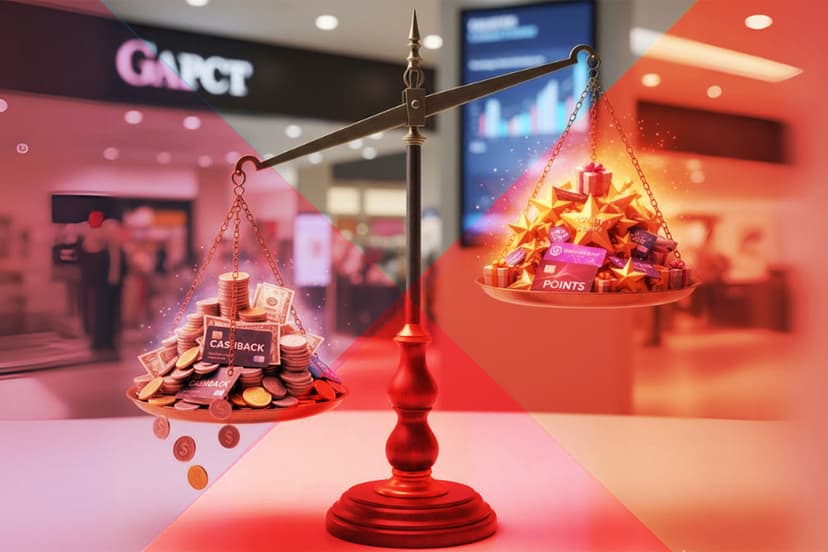
Loyalty programs work differently. Instead of cutting your price, you're adding value. The customer pays full price, but they're also earning something with every visit - cashback they can redeem next time, a free item after five orders, priority access during a busy weekend. The food costs you the same. The experience costs you the same. But now there's a pull to return that didn't exist before.
Restaurants with loyalty programs report 20% higher customer retention rates than those without (Restroworks, 2025). In 2026, the numbers are even sharper - loyalty members now visit 22% more frequently and spend 38% more per visit than non-members (Circana/Paytronix, 2026). And 90% of restaurant operators running loyalty programs report a positive ROI, with the average return sitting at 4.8x (Restroworks, 2026). These aren't marginal gains - for a local restaurant operating on tight margins, 22% more visits from your existing base can be the difference between a slow month and a good one.
What Kind of Loyalty Program Actually Works for a Restaurant?
There's no one-size-fits-all answer here. A small tiffin service in Hubli has different needs than a multi-outlet casual dining chain in Bengaluru. But there are a few models that consistently work well for Indian food businesses.
1. Cashback on Every Visit
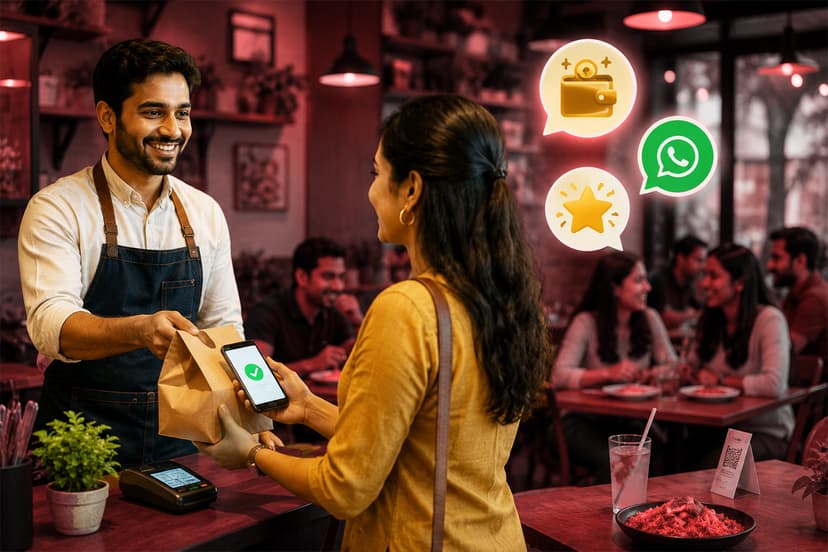
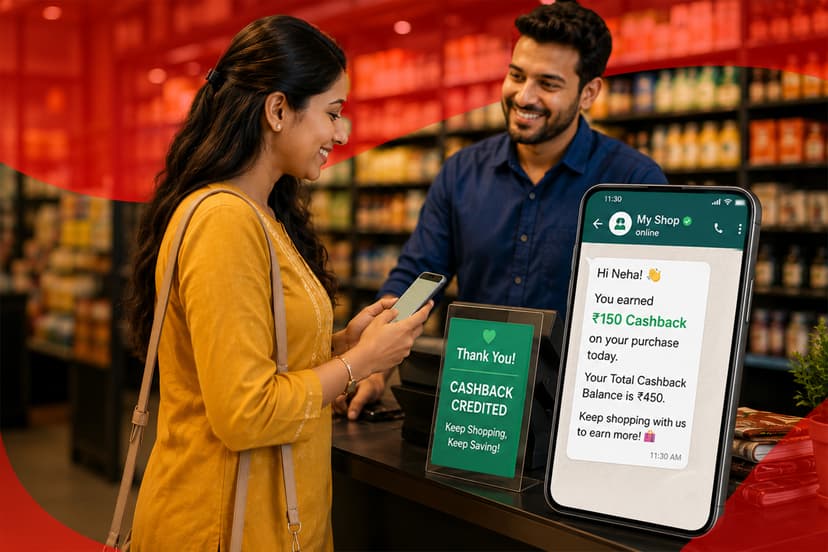
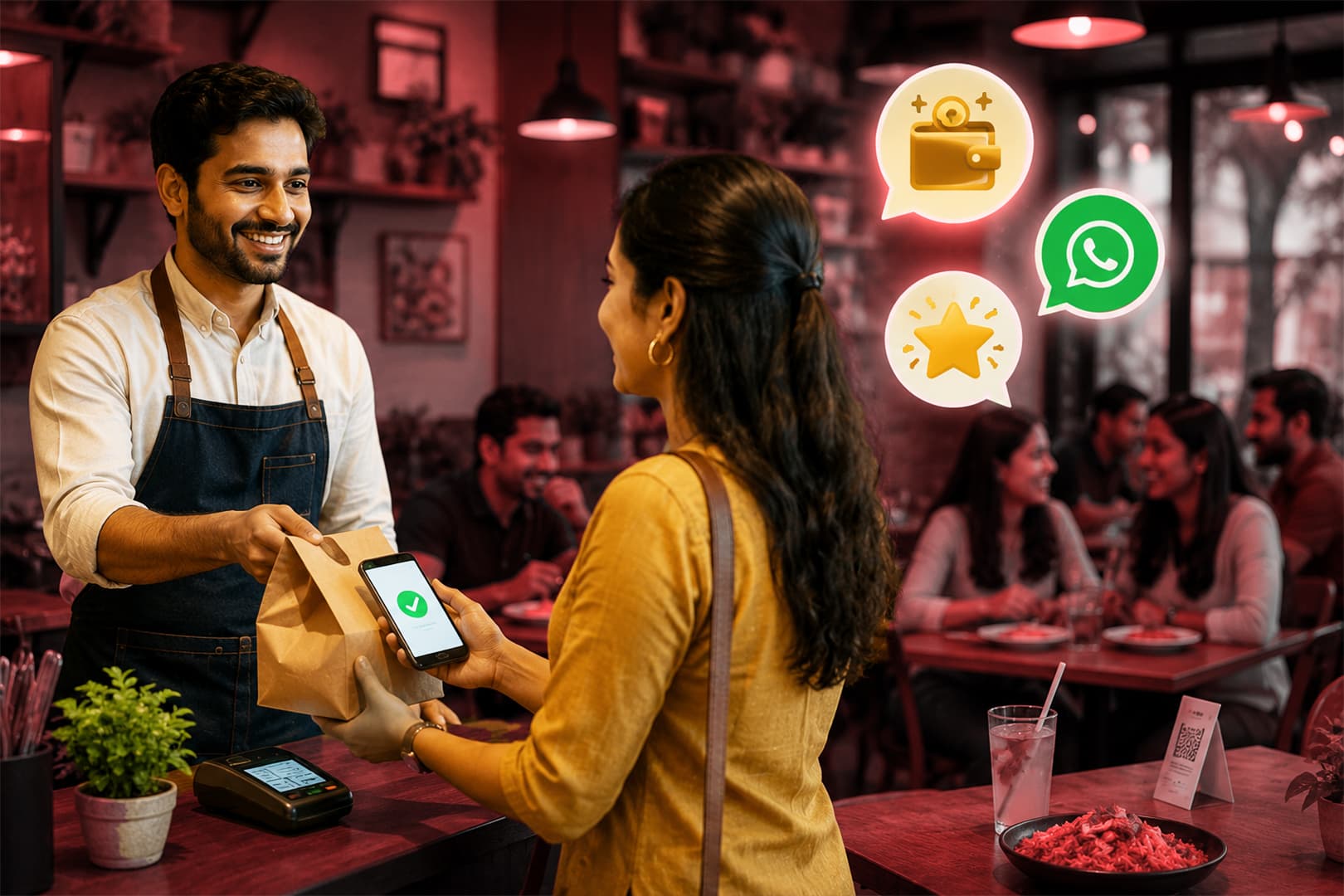
This is the simplest and most effective model for most local restaurants. Every time a customer pays, a small percentage - say 5-10% - goes into a wallet they can use on their next visit.
Why does it work? Because it's immediate and tangible. The customer doesn't have to track points or remember a punch card. They just know that spending ₹500 today means they have ₹25-50 waiting for them next time. That small balance is a surprisingly powerful pull.
2. Visit-Based Rewards (The Modern Punch Card)
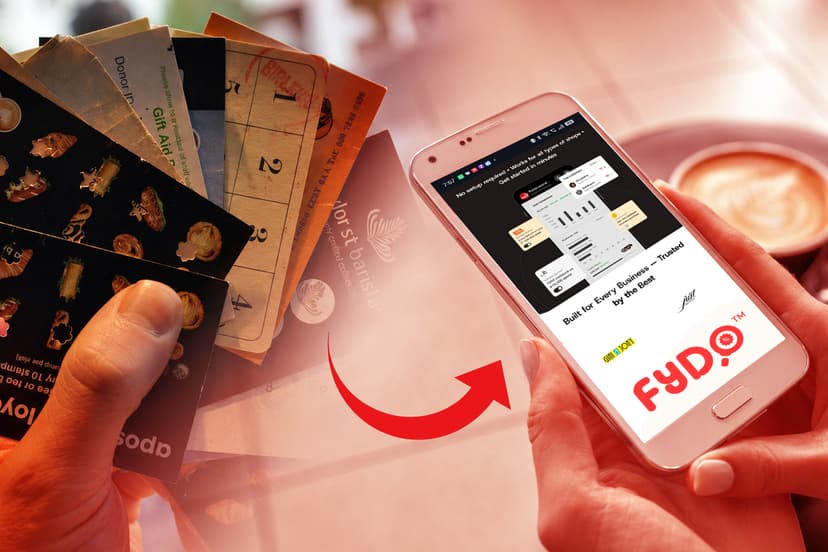
The old paper punch card - "buy 9 meals, get the 10th free" - still works. The problem is paper cards get lost, forgotten, or used dishonestly. A digital version solves all three problems.
This model works especially well for QSRs, tiffin services, and any restaurant where customers have a predictable eating routine. If someone orders lunch from you four times a week, a "5th order free" offer is compelling because it feels achievable quickly.
3. Tiered Membership
This works better for slightly higher-end casual dining or restaurants with a strong brand. Customers earn Silver, Gold, or Platinum status based on how much they spend over a period. Higher tiers unlock perks - priority seating, birthday treats, exclusive menu previews.
The psychology here is aspirational. Once a customer reaches Gold, they don't want to lose it. That creates loyalty through status, not just transactions.
4. WhatsApp-First Engagement
This isn't a reward type in itself, but it's the delivery mechanism that makes everything else work in India. WhatsApp messages achieve open rates of 85-98% compared to around 21% for email (Waakif, 2026). Indian restaurants using WhatsApp marketing report 40% higher repeat visit rates and 3-5x ROI compared to traditional SMS and email (Waakif, 2026). As of 2026, it's the loyalty engagement channel for Indian food businesses - not email, not SMS, not a branded app.
The best restaurant loyalty programs in India in 2026 combine a simple cashback or points mechanic with WhatsApp as the primary communication channel. The customer gets a WhatsApp message when their cashback is credited, when they're close to unlocking a reward, and when they haven't visited in a while. It feels personal. It doesn't feel like a corporate newsletter. And unlike a branded app that most customers won't download, WhatsApp is already on every phone.
The Real-World Difference a Loyalty Program Makes
Let's put some rough numbers to this, because abstracts can be hard to act on.
Say your restaurant has 300 regular customers - people who've visited at least once in the last three months. Without a loyalty program, let's assume they visit on average twice a month, spending ₹300 per visit.
That's 300 customers × 2 visits × ₹300 = ₹1,80,000 per month in repeat revenue.
Now add a basic cashback program. Research shows loyalty members visit 22% more frequently (Circana/Paytronix, 2026). That single variable changes your number:
300 customers × 2.44 visits × ₹300 = ₹2,19,600 per month
That's nearly ₹40,000 more per month - close to ₹4.8 lakh more per year - from the same 300 customers, just by giving them a structured reason to come back more often. Even after accounting for cashback payouts, the math is comfortably in your favour.
Common Mistakes Restaurant Owners Make With Loyalty Programs
# "I'll just offer big discounts to loyal customers"
As covered earlier, discounting trains customers to wait for deals. Cashback and rewards feel like a bonus on top of full-price visits, not a reason to avoid paying full price.
# "My customers won't bother downloading an app"
They probably won't. App-based loyalty programs see notoriously low adoption rates in India outside of large chains. The best programs for independent restaurants require zero downloads -just a phone number at the counter, and WhatsApp for all follow-up communication.
# "I'll start once I have more customers"
The time to start a loyalty program is when you're still small enough that each regular customer is precious. It's much easier to build loyalty habits early than to retrofit a program onto customers who already visit without any expectation of rewards.
# "It's too complicated to manage"
It used to be. Now it doesn't have to be. Tools like Fydo let you set up a loyalty program in a day, require no POS integration, and handle all the WhatsApp communication automatically. You focus on the food. The software handles the follow-up.
How to Launch a Loyalty Program for Your Restaurant: A Simple Checklist
Getting started is simpler than most restaurant owners expect. Here's a practical path:
Step 1: Decide your reward model
Cashback is the simplest starting point for most local restaurants. Start with 5% cashback on every order - adjust up or down once you see customer response.
Step 2: Choose how customers enrol
The best experience: customer gives their mobile number at the counter, they're registered in seconds. No app download, no form to fill. Friction is the enemy of adoption.
Step 3: Set up your WhatsApp communication
Decide which messages customers will get: cashback credited, reward unlocked, "we miss you" after 30 days of no visit. These three alone cover most of the loyalty lifecycle.
Step 4: Train your staff for 10 minutes
Staff buy-in is everything. If the person at the counter doesn't ask for the customer's number, nothing else works. A brief explanation of why it matters - "it brings people back, which means busier shifts for all of us" - goes a long way.
Step 5: Give it 60 days before judging results
Loyalty programs build slowly. The first month is about enrollment. The second month is where you start seeing people actually coming back to redeem. Don't pull the plug before the data has a chance to accumulate.
Frequently Asked Questions
Q: Can a small dhaba or tiffin service use a loyalty program?
Absolutely. In fact, high-frequency, low-ticket businesses like tiffin services are among the best use cases for loyalty programs. Customers eat every day - a small cashback or "10th meal free" incentive is extremely compelling.
Q: How much cashback should I offer?
5% is a common starting point. It's noticeable enough to feel meaningful without significantly denting margins. Once you know your average order value and visit frequency, you can calculate the exact impact on your numbers.
Q: What if a customer doesn't have WhatsApp?
Very few customers in India don't have WhatsApp - it's the default messaging platform for over 535 million users (Statista, 2024). For those rare cases, SMS works as a fallback.
Q: Won't a loyalty program eat into my already thin margins?
The key insight is that loyalty programs don't reduce the price of a meal -they reward customers for coming back. If a customer visits twice instead of once because of cashback, you've earned one full-margin visit for the cost of a small cashback payout on the first. The numbers almost always work in your favour. In fact, 67% of restaurants now have loyalty programs (Favecard, 2026) - those without one are competing with a disadvantage that will only grow.
Q: Do I need a POS system or special billing software?
Not with the right tool. Fydo, for example, works completely independently of POS systems - the shopkeeper or waiter simply records the bill amount in the app and the cashback is credited automatically.
Q: How long before I see results?
Most restaurants see a measurable uptick in repeat visits within 60–90 days of launching a loyalty program, once a critical mass of customers has enrolled and had a chance to redeem their first reward.
The Bottom Line
Running a restaurant in India in 2026 is genuinely hard. Costs are up, competition is intense, and the big delivery platforms eat into margins on every order. You can't control all of that.
But you can control whether your best customers have a reason to come back specifically to you.
A loyalty program isn't a silver bullet. Great food and good service are still the foundation - nothing replaces those. But a simple, well-run loyalty program built on cashback and WhatsApp is one of the cheapest and most effective things you can do to turn occasional visitors into regulars, and regulars into the kind of customers who bring their family on weekends because "this is our place."
And in a market where 70% of first-time diners never return, that kind of stickiness is worth a lot.
📌 Want to set up a loyalty program for your restaurant without any POS or app? See how Fydo works for food businesses - https://fydo.in
Have questions about loyalty programs for your restaurant or food business? Drop a message and we'll help you figure out what fits.
Sources: Mordor Intelligence India Foodservice Market 2026 | Fortune Business Insights India Foodservice Market 2026 | Tillster 2026 Phygital Index Report | Restroworks Restaurant Loyalty Program Statistics 2025-2026 | Circana/Paytronix Restaurant Loyalty Data 2026 | Favecard Restaurant Loyalty Program Statistics 2026 | IonHospitality Restaurant Loyalty Programs 2026 Strategy Guide